Email: sale10@kfqizhongji.com Hours: 24 Hour Service - 7 Days a Week
Location: No. 299, Jincheng East Road, Xinwu District, Wuxi City, Jiangsu, China
Email: sale10@kfqizhongji.com
Phone: +86-18118900837
Product Details
Fiberglass | 550 C Degree | |
1920 G/sqm | 2mm | |
White | ||
Fiberglass Thermal Insulation Blankets ,Heat Resistant Fiberglass Fabric,550Degree Heat Resistant Fabrics | ||
Product Description
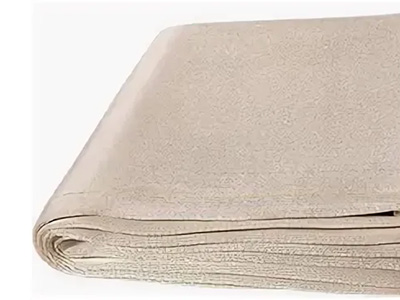
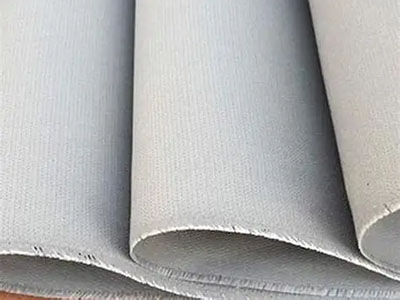
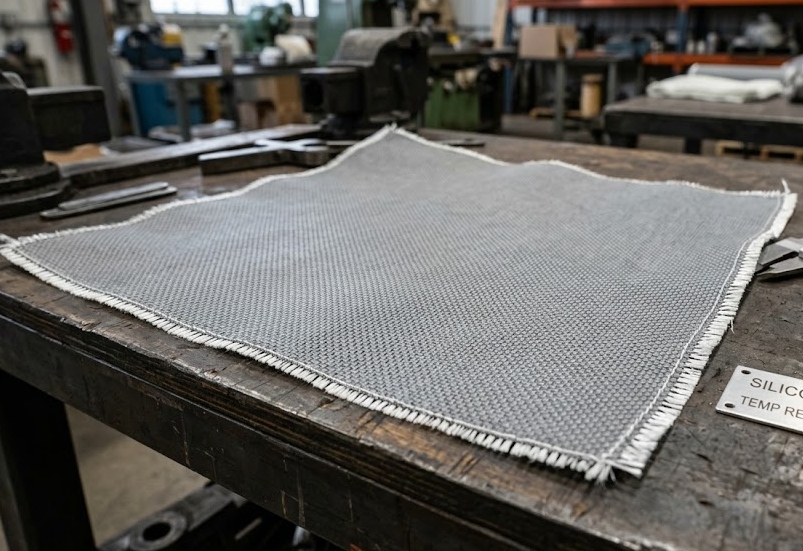
Heat Resistant Fiberglass Fabric Thermal Insulation Blankets High Temperature Heat Resistant Fabric
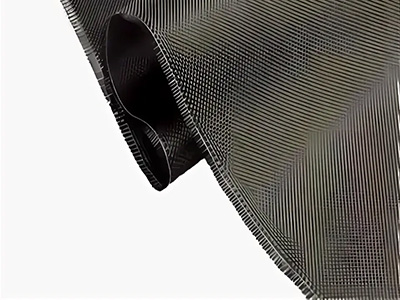
TGF1920 is a heavy weight woven texturized fiberglass fabric. It’s designed for the manufacturer of fittings and flange covers, removable jacket, thermal insulation covers, padding, lagging, heavy duty welding blanket and other fire control system.
Product Advantages:
1. high temperature resistance to 550C, fire resistance.
2. thermal insulation , reducing heat loss and increasing efficiency.
3. abrasion resistance, durability, high strength.
4. easily sewn, cut and fabricate.
5. weathering proof.
6. chemical resistance.
Discover heat resistant fibers, like glass fibers, vital for crafting fabrics that withstand scorching heat.
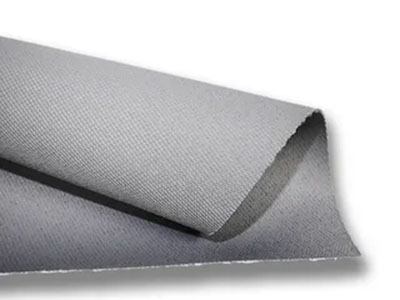
PTFE coated fiberglass fabric features high temperature resistance, corrosion resistance and electrical insulation, making it suitable for harsh environmental conditions and providing long-term stable solutions.
Exploring the safety of PTFE coated fiberglass fabric, known for its Teflon coating and robust build, is essential. Is this coated fabric truly reliable?
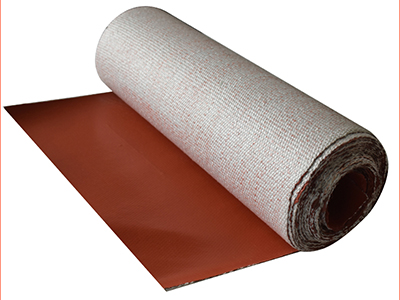
Ceramic fiber wool can work continuously in an environment of 983°C (1800°F), up to 1260°C (2300°F), and the melting point temperature of ceramic fiber paper is 1648.9°C (3000°F).
Food handling strategies differ extensively, yet some typical instances that count on reliable warm monitoring consist of cooking, emulsifying, fermenting, sterilizing, and roasting.